


AI Is Breaking Linear Workforce Planning in IT
By Arrk Group |
|
3 mins read |

AI Is Reshaping IT Resourcing and Traditional Hiring Is Struggling to Keep Up
By 2026, AI is no longer confined to innovation labs. Across UK organisations, it is being embedded into core platforms, customer journeys, and operational decision‑making.
What many leadership teams are discovering, however, is that the real challenge is not access to AI tools or ideas. It is the way delivery capability is structured and sustained.
AI is changing the shape of delivery demand.
AI Has Increased Delivery Volatility
Traditional workforce planning assumes stability: defined roles, predictable demand, steady output. AI breaks this assumption.
AI initiatives tend to move in uneven cycles. There are bursts of experimentation, data preparation, and integration, followed by stabilisation, optimisation, and support. Demand spikes quickly once value is proven and often cuts across development, data, cloud, security, and governance at the same time.
For leadership teams, this makes headcount‑led planning increasingly fragile. By the time permanent roles are approved and filled, the nature of the work has already shifted.
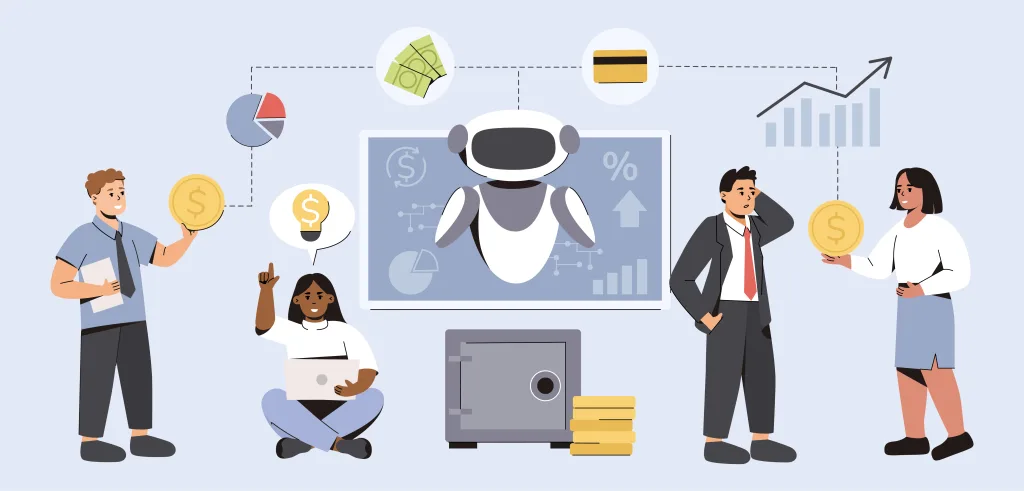
Why AI Is Quietly Overloading Teams
Many organisations initially attempted to absorb AI delivery into existing teams. In practice, AI has expanded expectations rather than replaced responsibilities.
Engineers are now expected to understand data pipelines, model integration, cost implications, security controls, and regulatory considerations while still supporting live systems and ongoing change programmes.
The result is not an obvious skills gap, but sustained pressure. Teams remain capable, yet stretched. Delivery slows not because people cannot perform, but because too much is being asked of them at once.
AI Does Not Scale Linearly and Neither Should Teams
Certain phases of AI delivery require specialist input at speed. Once those phases pass, demand often shifts towards monitoring and optimisation.
Hiring permanent roles to cover these peaks can lock organisations into long‑term cost structures that outlast the need. Under‑resourcing critical phases, however, introduces delivery and operational risk.
This leaves leaders facing an uncomfortable choice between rigidity and instability.
 Why Delivery Architecture Matters More Than Talent Alone
 Why Delivery Architecture Matters More Than Talent Alone
As AI becomes embedded in core operations, governance, continuity, and knowledge retention matter as much as capability.
Delivery models that align internal and external teams within a shared framework clear ownership, agreed standards, and outcome‑led execution are proving more resilient. Capacity can flex without eroding control, and innovation can progress without destabilising core platforms.
Rethinking Resourcing for the AI Era
AI has exposed the limits of static workforce planning. In an environment defined by uneven demand and rapid change, resilience comes from adaptability, not scale alone.
For UK leadership teams, the challenge is no longer whether to adopt AI, but how to support it sustainably. That requires moving beyond headcount assumptions towards delivery models designed for flexibility, governance, and continuity.
Smarter delivery structures not bigger teams are what enable organisations to move at pace in the AI era.